LOCAL NEWS, DELIVERED DAILY. Subscribe to our daily news wrap and get the top stories sent straight to your inbox every evening.
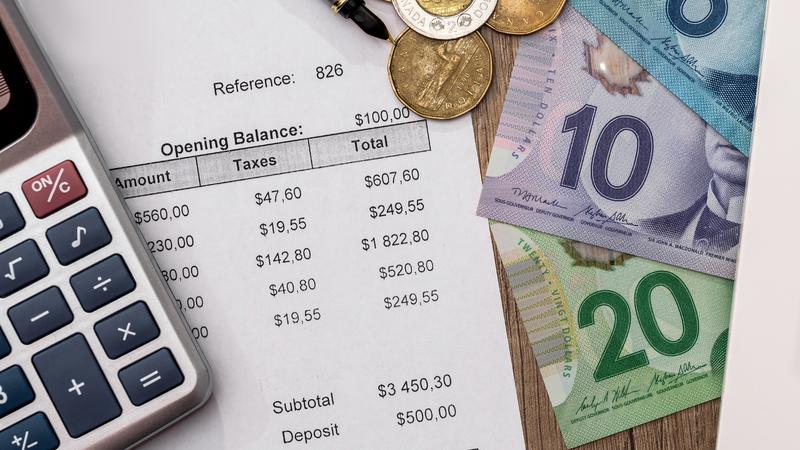
The living wage in Nanaimo has risen again, up to $24.40 per hour. It's an increase of over $8 per hour since 2021. (Dreamstime)
widening gap

Living wage in Nanaimo increases again, up over $8 per hour in four years

Nov 13, 2025 | 6:00 AM

NANAIMO — The hourly wage needed to afford just the basics in the Harbour City has increased once more in 2025.

A new report compiled by Living Wage B.C. and BC Policy Solutions, is showing full-time workers need to earn at least $24.40 per hour to cover essential expenses including housing, food, transportation, childcare and other basic necessities.

Report lead author Iglika Ivanova told NanaimoNewsNOW it’s a 2.56 per cent increase over 2024 and a 49.4 per cent jump since 2021’s rate of $16.33.

“We have seen enormous increases in rent post-pandemic across the province, but in some urban centres more so than others and I would say Nanaimo is probably one of the urban centres that’s seen the highest growth.”

Ivanova added increasing popularity with remote work is also contributing to Nanaimo’s affordability challenges, with many people “continue to work for Vancouver wages while living on the Island.”

Of the six Island communities surveyed by Living Wage B.C., Nanaimo ranked 2nd most affordable.

The report looked at three household makeups, including single people, couples and families with children, and made assumptions based on living arrangements, transportation needs and housing requirements.

Nanaimo’s living wage would have increased by $2.75 if not for a relatively robust transit network, reducing the need for a second vehicle for families with two children.

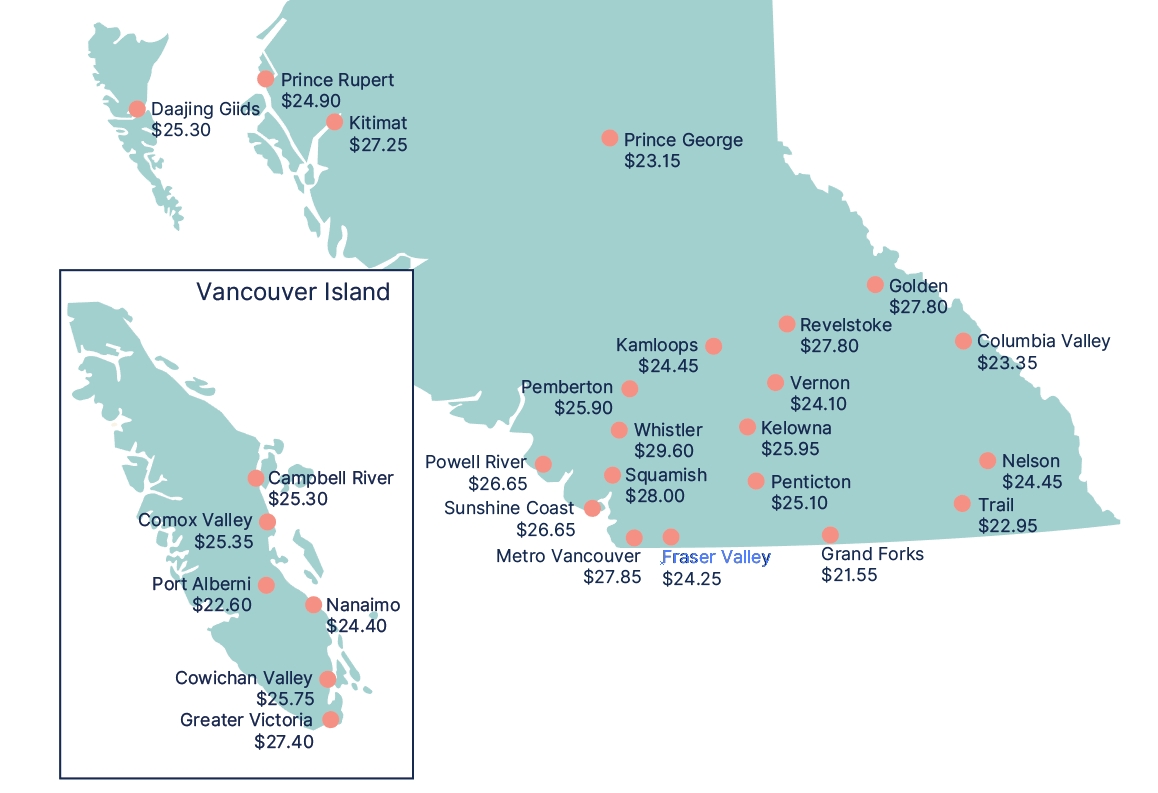
Victoria was the most expensive at $27.40, followed by the Cowichan Valley at $25.75, Comox Valley at $25.35, Campbell River at $25.30.

Port Alberni was the cheapest place on the Island, and second lowest in B.C., at $22.60 per hour.

Vancouver Island as a whole faired much better than Vancouver ($27.85) and the Sunshine Coast/Powell River ($26.65).

Whistler topped the provincial list at $29.60 per hour needed, while Grand Forks was the most liveable, financially, at $21.55.

A map of the communities studied by Living Wage BC in 2025. (Living Wage BC)

Ivanova said outside of housing, food was a major driver behind an increase in the living wage for communities on Vancouver Island.

“The cost of food purchased from grocery stores has increased by 3.6 per cent since last year’s calculations. It’s a significant increase, and food prices on the Island are higher than almost anywhere else in British Columbia, except for the Northwest and the central coast areas.”

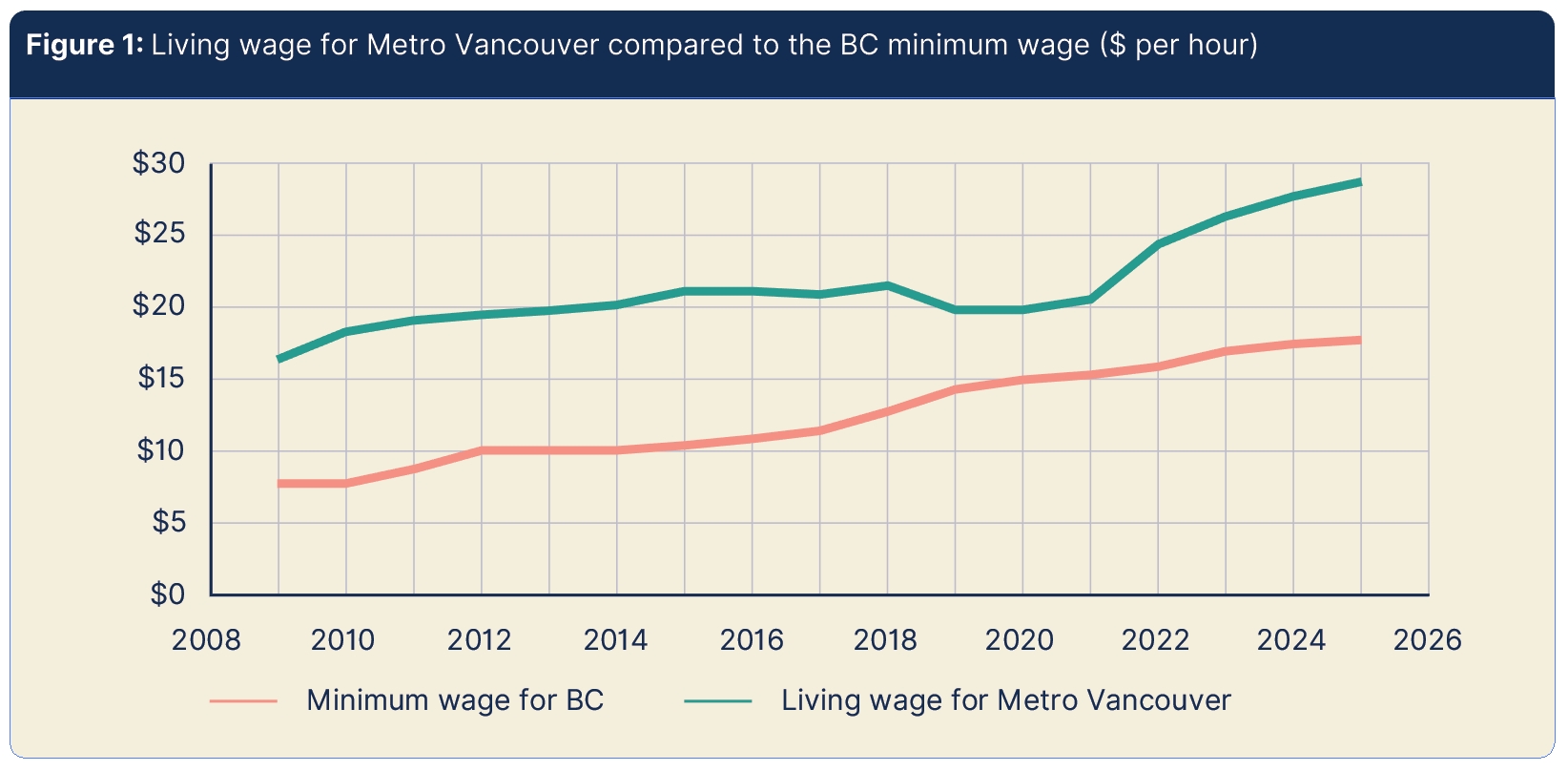
The provincial minimum wage is $17.85 per hour, meaning workers earning at or just above the mark are unable to have their basic needs met.

Ivanova said she hopes the report pushes government for investment in public programs, and further identify solutions to address the gap between living and minimum wages.

“There’s a lot of things governments can do to reduce costs, and we are trying to draw attention to that. We do need increases to the minimum wage, but we also need investment in programs that will lower cost. Investments in better public transit and public transit in more communities that people can use to go to work and to school.”

Creation of affordable housing was another key aspect.

Ivanova said thirteen employers in Nanaimo have adopted living wage policies, committing to pay workers at least the posted living wage for their work.

They join over over 450 organizations province-wide.

The full report is available on the Living Wage BC website.

A comparison between Metro Vancouver’s living wage and B.C.’s minimum wage. (Living Wage BC)

Local news. Delivered. Free. Subscribe to our daily news wrap and get our top local stories delivered to your email inbox every evening.

info@nanaimonewsnow.com

Follow us on: Twitter (X) | Bluesky | Facebook