LOCAL NEWS, DELIVERED DAILY. Subscribe to our daily news wrap and get the top stories sent straight to your inbox every evening.
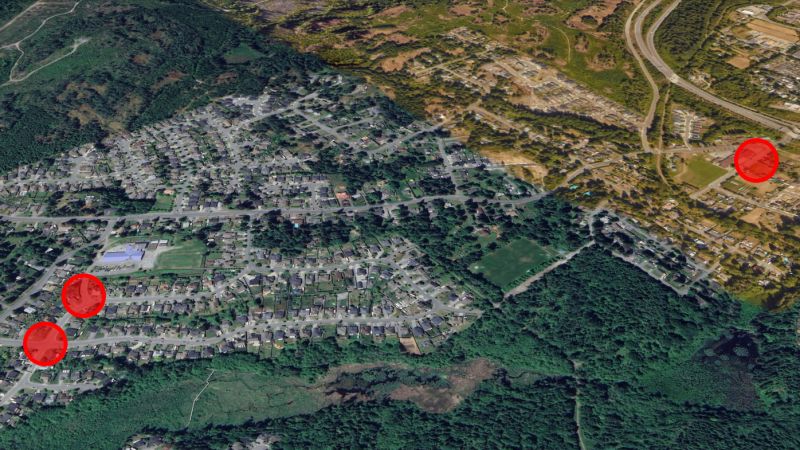
Three traffic-calming and pedestrian safety projects have been approved by Nanaimo councillors, in a bid to help kids get to and from school more safely. (Google Maps)
school safety

Crosswalk, intersection improvements approved near Chase River & Cinnabar schools

Oct 7, 2025 | 12:19 PM

NANAIMO — Three active transportation infrastructure projects are aiming to provide a safer way for kids to get to and from school.

City Councillors gave near-unanimous approval to a pair of intersection improvement projects along Montana Rd., supporting Cinnabar Valley Elementary students, as well as a raised crosswalk on Cranberry Ave., across from Chase River Elementary School.

Madeleine Koch, the City’s active transportation project specialist, told Council on Monday, Oct. 6, the projects come from studies into both schools earlier this year under the City’s Active School Travel Program, which aims to get more kids walking or rolling to and from school.

“We’re seeing increased demand for the program, which is great, but because we’re only able to admit a certain number of schools into the program at a time. We’re having to look more closely at how we’re entering schools into the program.”

A transparent select process will be used to review applications from schools in the fall, before selecting projects the following spring.

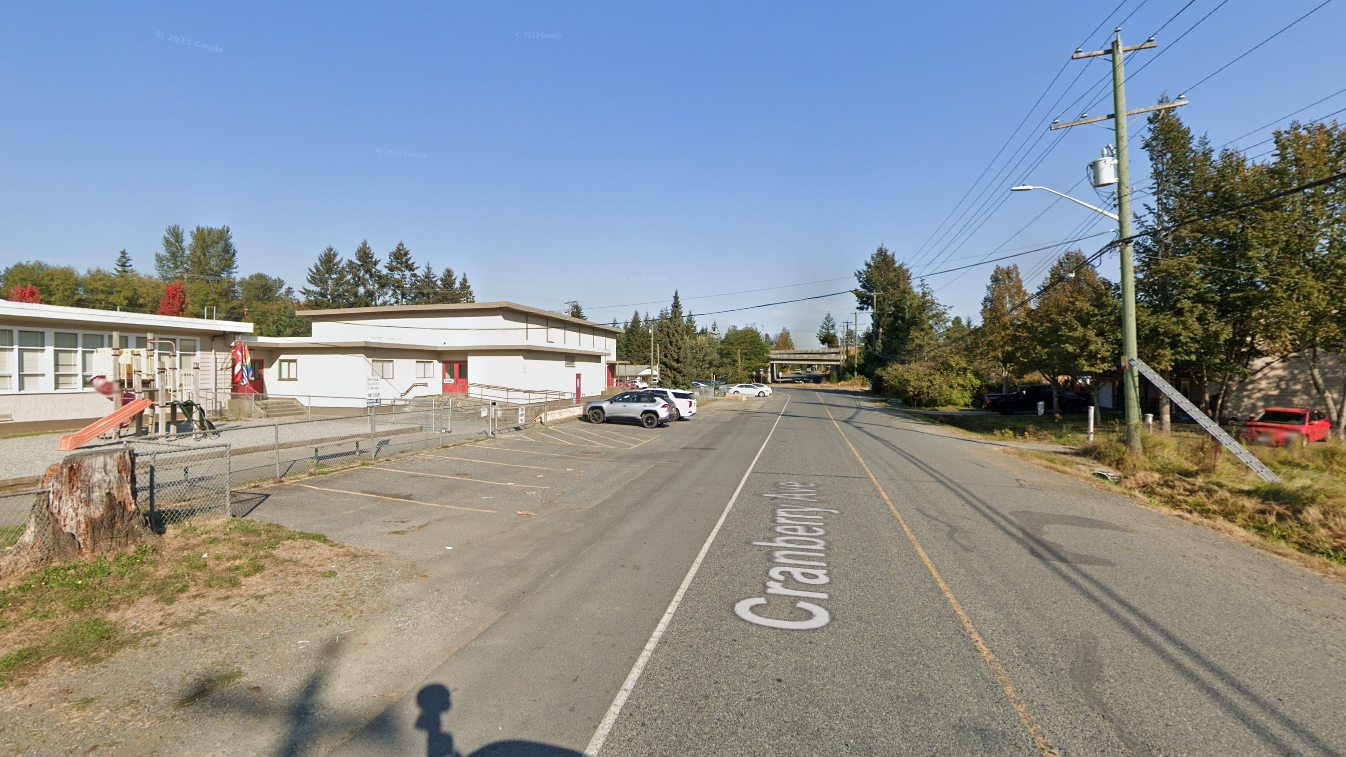
A raised crosswalk is planned across Cranberry Ave., to help slow vehicles and give kids a clear place to cross and access the main school entrance. (Google Maps)

Moving ahead
Discussed Monday was a raised crosswalk along Cranberry Ave., in line with the school’s main entrance, at a cost of around $40,000.

It would provide a safe crossing place for students and staff along a busy Cranberry Ave. roadway, particularly during drop off and pickup times.

Intersection improvements were also approved for Montana Rd. at Ohio Way, with a new crosswalk across Ohio Way recommended.

Koch noted this intersection serves as the main driveway in and out of the school, with the City staff report saying the marked crosswalk would “provide a designated crossing for students travelling along Montana Road, as well as allow students to cross to the south side of Ohio Way and access the continuous sidewalk on that side of the street.”

Curb management and a review of sight lines are also included in the $80,000 project, in addition to possibly adding curb extensions to reduce the crossing distance and narrow vehicle lanes.

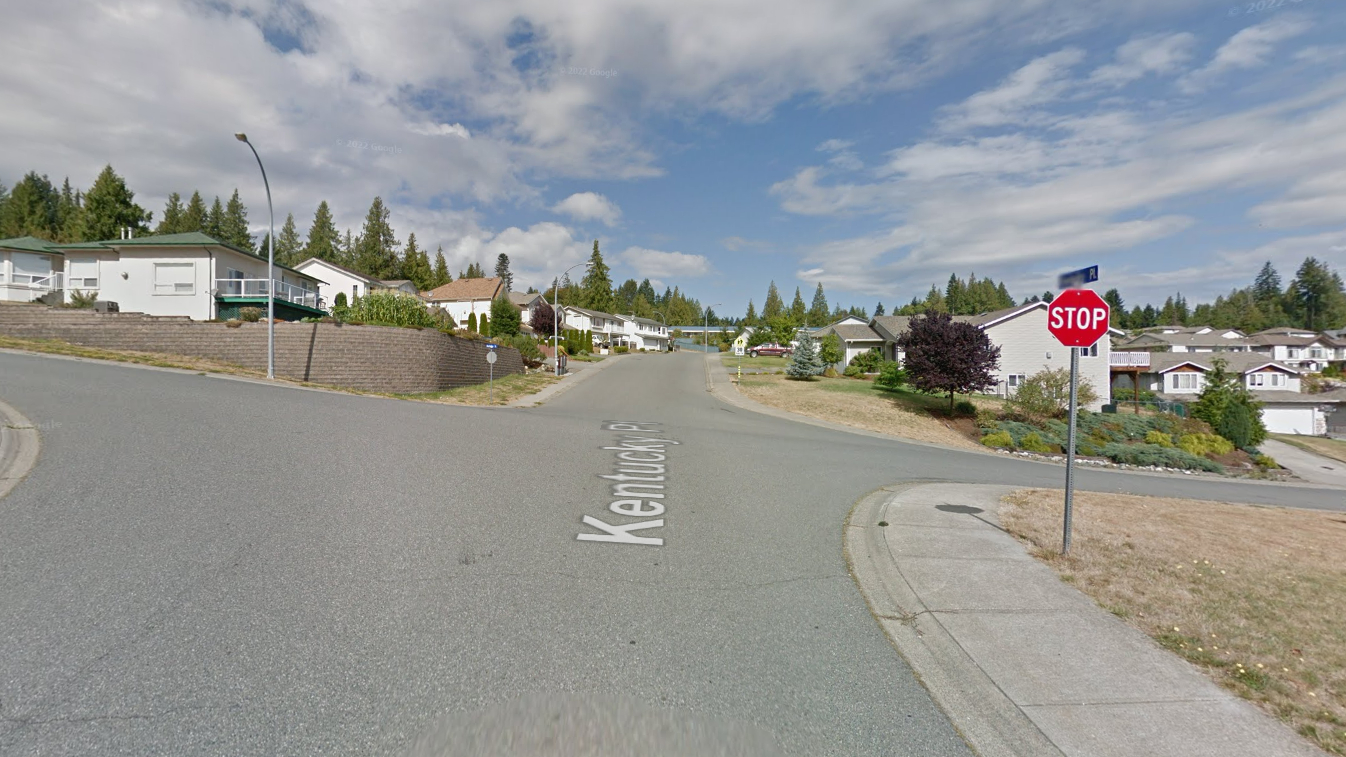
Finally, traffic calming measures are planned at Montana Rd., and its intersection with Ranchview Dr. and Kentucky Pl.

This project, estimated at $250,000, would include stop signs on Ranchview Dr., curb extensions to narrow the crossing distance, new crosswalk markings or a small traffic circle to reduce vehicle speeds.

The most expensive project would see narrower crossing distances at Montana Pl. at Ranchview and Kentucky Pl., along with other traffic calming measures. (Google Maps)

Funding sources
Council’s decision Monday night was to use $245,000 from their annual pedestrian unallocated fund, which is money set aside for road safety projects within city limits.

An additional $125,000 has been secured through a grant administered by the Federation of Canadian Municipalities for active transportation projects.

Coun. Ben Geselbracht was the only one opposed to Monday’s direction, but solely because of the funding sources.

“Our pedestrian unallocated budget, there’s huge demand for that fund and it always gets used up, and we never have enough. I think that we should be funding this out of the strategic infrastructure reserve and that other fund and not use that pedestrian unallocated, and then just do more programs.”

Geselbracht said he’s in full support of the projects themselves, but would have preferred an alternative staff recommendation which would have split the cost evenly between the FCM grant, the Strategic Infrastructure Reserve Fun and the Community Works Fund.

Approval of these projects leaves around $50,000 in the fund for 2026, with Council to decide whether or not to add more money during its upcoming budget deliberations.

All the estimates for the projects are considered “class D”, which means detailed design and more research is needed before costs are firmed up.

No timeline for construction was offered, however projects of this nature can typically materialize within two to three years of their approval at the Council table.

Follow us on Facebook. Join Everything Nanaimo on Facebook and stay connected with everything happening on central Vancouver Island.

info@nanaimonewsnow.com

Follow us on: Twitter (X) | Bluesky | Facebook