Local news. Delivered. Free. Click here and subscribe to our daily news wrap and get our top local stories delivered to your email inbox every evening.
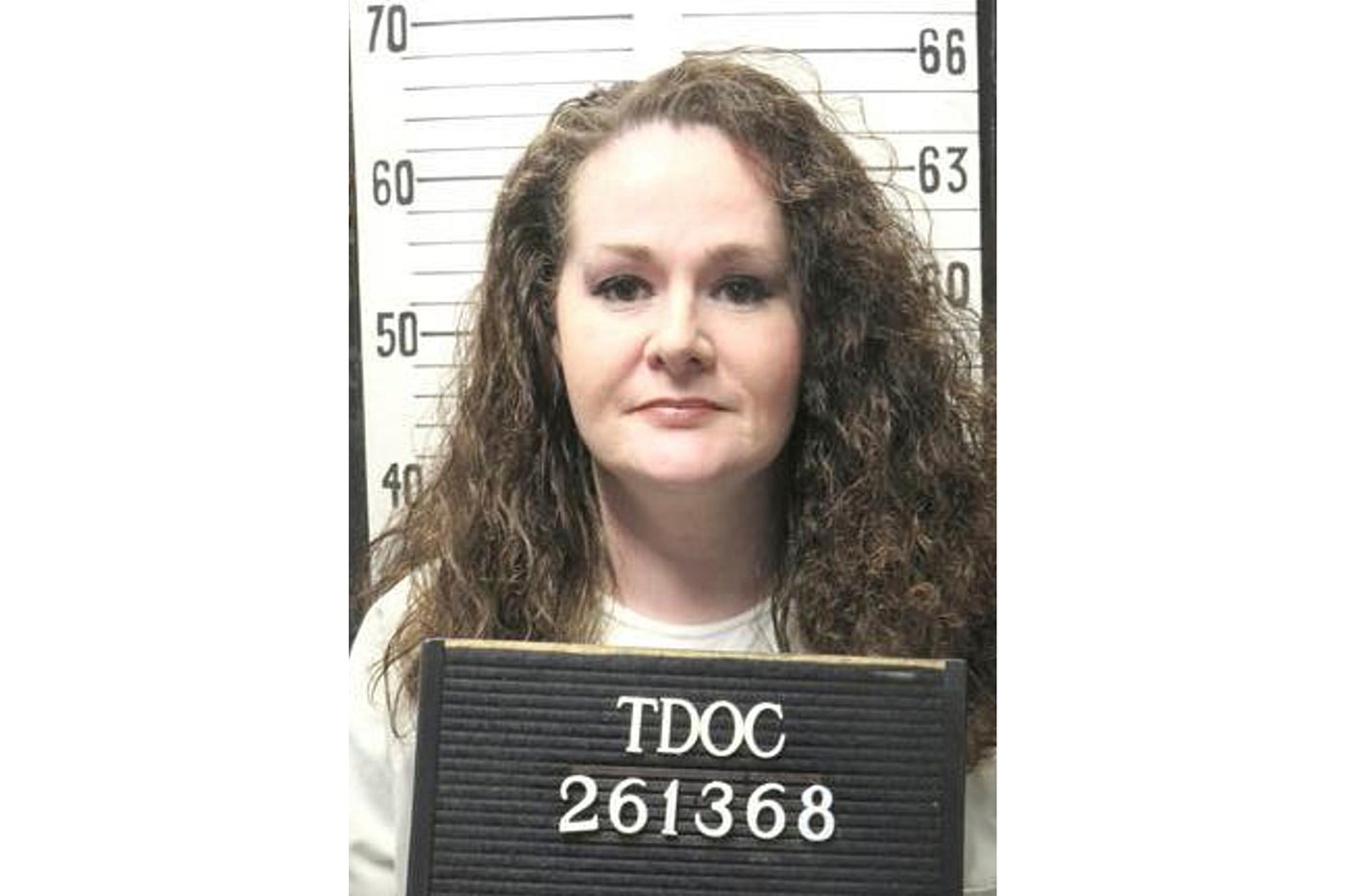
FILE- This photo provided by the Tennessee Department of Correction shows Christa Pike on Jan. 12, 2023. (TDOC via AP)

Christa Pike describes constant pain in first statement since her failed execution

Oct 30, 2026 | 6:37 AM

Christa Pike said Friday she remains in constant pain, struggles to speak and has been largely isolated in a prison hospital after surviving a lethal injection in Tennessee last month.

In her first public statement since, Pike said she’s “deeply hurt by the incompetence that has put so many people in this terrible position.”

“I continue to think about my victim’s family,” she said, “and the terrible pain and loss they have endured.”

Pike and her boyfriend tortured and stabbed a 19-year-old classmate, Colleen Slemmer, to death in 1995. Pike was 18 at the time, making her one of the youngest women sentenced to death. Slemmer’s mother traveled from Florida to witness Pike’s execution.


Pike, 50, survived two doses of pentobarbital that her lawyers say probably didn’t enter her bloodstream correctly and instead pooled in her arms, leaving them burned and blistered. Unconscious, she was hospitalized on a ventilator for days, and at one point her lawyers said they didn’t expect her to survive.

“There hasn’t been a moment since that night when I haven’t been in pain. My body hurts. My arms hurt. My hands hurt. My throat hurts. I still struggle to speak,” Pike said. “And the pain isn’t just physical. There is pain in my mind and in my soul.”

Pike said she had been prepared to die in peace, but instead woke up alone and confused in a hospital bed. She said she’s “searching for meaning in what happened to me.”

“I don’t know why I survived that night. I don’t know what comes next,” Pike said in a statement dictated to her legal team from prison.

Pike remains sentenced to die, and her attorneys want Republican Gov. Bill Lee to change that to life in prison. However, Lee told reporters this week, “I suspect her sentence will be the same as before unless determined otherwise by the courts.”

The governor has tapped a former U.S. attorney to conduct an independent review of the failed execution, and postponed the state’s other lethal injection scheduled for this year.

Pike’s lethal injection was plagued by problems. Her attorneys had warned that her small veins and diagnosis of thrombocytosis, a blood-clotting disorder, could make IV access difficult.

In a court document, her attorney Randy Spivey said the execution team struggled to get working IV lines in Pike’s arms and expressed concern that a vein might be “blowing.” Pike remained awake for much of the lethal injection, saying her arm hurt and burned before falling unconscious. The execution began just before 7:30 p.m. and an ambulance arrived at the prison about an hour and 45 minutes later.

The failed execution has brought renewed scrutiny to how Tennessee carries out death sentences.

In a 2025 deposition released with court documents this week, prison Warden Kenneth Nelson said the execution team doesn’t practice inserting IV lines during training sessions, at the directive of the prison commissioner. Nelson said he did not know why the practice was discontinued or when the order was given.

Practicing insertion of IVs was part of Tennessee’s prior execution protocol, but it is not included in the state’s new protocol.

Dorinda Carter, a spokesperson for the Tennessee Department of Correction, said she could not comment on the filing because of pending litigation.

Frank Strada, commissioner of the Department of Correction, announced his resignation in the wake of Pike’s failed execution. His final day is Oct. 31, Carter said.

Kim Chandler, The Associated Press