LOCAL NEWS, DELIVERED DAILY. Subscribe to our daily news wrap and get the top stories sent straight to your inbox every evening.
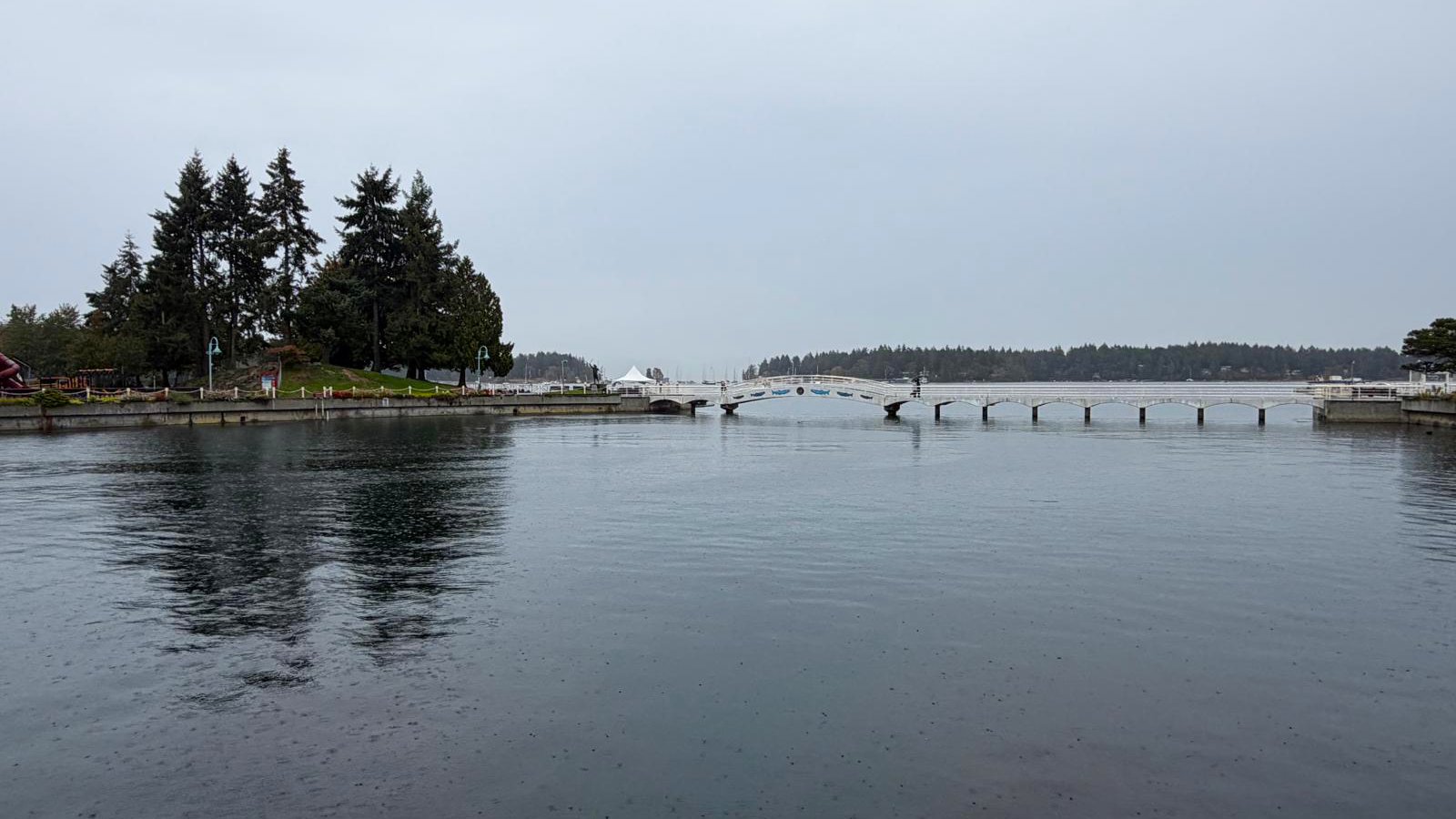
The City of Nanaimo is continuing to evaluate the potential local impacts of rising sea levels, and what strategies are recommended to be implemented in the short and long term. (Image Credit: Ian Holmes/NanaimoNewsNOW)
planning ahead

Nanaimo continues progress on plans to prepare for rising sea levels

Oct 1, 2026 | 12:02 PM

NANAIMO — Work is continuing on how the City can prepare and respond to rising sea levels.

During the Monday, Sept. 28 governance and priorities meeting, the Sea Level Rise Management Plan, known as “Our Coastal City,” was presented, which looked at the possible future implications of rising sea levels in the Harbour City, and what actions could be taken to avoid future issues.

Vanessa McMaster, associate hydrotechnical engineer with Northwest Hydraulic Consultants, told the meeting this stage of the plan categorizes risk into short, medium, and long-term, with specific ideas and citywide strategies recommended, summarized into three main points.

“As our infrastructure now comes to end of life and we’re looking to rebuild and replace, we would look at moving it out of the hazard zone moving forward. Review our planning policies and regulations for everybody. All the existing development already in the floodplain, we would have them all raised up to the FCL (flood construction level), and we would try to limit or discourage future development in the hazard area to reduce the flood risk.”

A 2018 study predicted sea levels would rise by 0.88 metres by the year 2100 in Nanaimo, primarily because of human-caused climate change, McMaster said.

The report also flagged four particularly vulnerable areas, including the downtown area near the coast, Protection Island, Departure Bay, and Duke Point, including Hwy. 19 leading away from the industrial area.

McMaster said Randle Rd. and Battersea Rd. in Departure Bay are considered the most pressing short-term priorities, and they recommend an “adaptive management plan,” which can change and be adjusted in the future depending on weather conditions.

“A solution that might work right now might not work for us in 20 years or might not work for us in 50, and so it would look at outlining a plan that’s going to change through time with changing priorities and help work for everybody in the community. It doesn’t have to be static.”

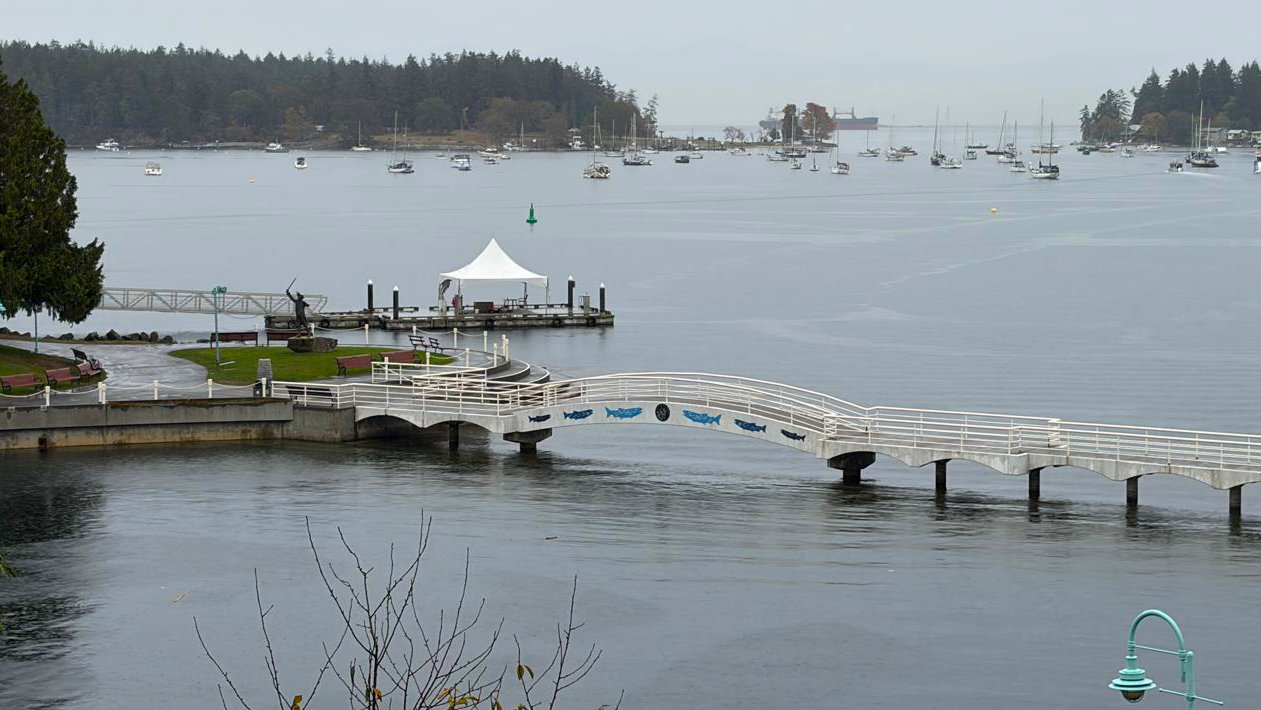
Maffeo Sutton Park was identified as the second most vulnerable area of the City in terms of sea levels rising, with long-term planning recommended to raise the Harbourfront Walkway.
Maffeo Sutton Park was identified as the second most vulnerable area of the City in terms of sea levels rising, with long-term planning recommended to raise the Harbourfront Walkway. (Image Credit: Ian Holmes/NanaimoNewsNOW)

A big concern during planning was how to properly address underground infrastructure if it needs to be moved or rerouted.

Engineering director with the City Paul Rosen said this is particularly a concern on Front St., with the infrastructure interconnected across the city and connected to neighbouring municipalities.

“Oftentimes you’re faced with those decisions one piece of infrastructure at a time, but it’s like pulling on a thread in the fabric, right? So if you’ve got a water main, it’s just one of the threads, and you’ve got sewers and roads, and there’s gas, and there’s telecommunications, and there’s the road itself with all the driveways and stuff like that. If you’re just thinking about one thing at a time, that one thing’s not bad, but the implications to everything else is where it becomes a problem.”

Rosen said the sanitary systems are of particular concern, as they work on gravity, unlike pressurized water main systems, and are more difficult to relocate.

The final Our Coastal City report will be sent to the provincial government, with recommendations made to complete feasibility assessments for the short and medium strategies, which would then be shared with the public for further consultation.

The project was funded by grants from the Ministry of Emergency and Climate Change Readiness and the Federation of Canadian Municipalities.

Follow us on Facebook. Join Everything Nanaimo on Facebook and stay connected with everything happening on central Vancouver Island.

info@nanaimonewsnow.com

Follow us on: Twitter (X) | Bluesky | Facebook