LOCAL NEWS, DELIVERED DAILY. Subscribe to our daily news wrap and get the top stories sent straight to your inbox every evening.
Science technician was busy sharing what fish-aging is all about at a recent Pacific Biological Station open house. (Image Credit: Ian Holmes/NanaimoNewsNOW)
research centre

Nanaimo marine research hub hosts thousands

Jun 6, 2026 | 5:23 AM

NANAIMO — An open house at one of the west coast’s primary marine research facilities was evidently a hit with the public.

Fisheries and Oceans Canada estimated over 3,000 people turned out for the family-friendly house at the Pacific Biological Station (PBS) off Hammond Bay Rd., on Saturday, May 30, which marked first such event at the facility in many years.

Large crowds combed through numerous in and outdoor displays, including a longstanding fish-aging (Sclerochronology) lab, which involved several PBS employees interacting with the public.
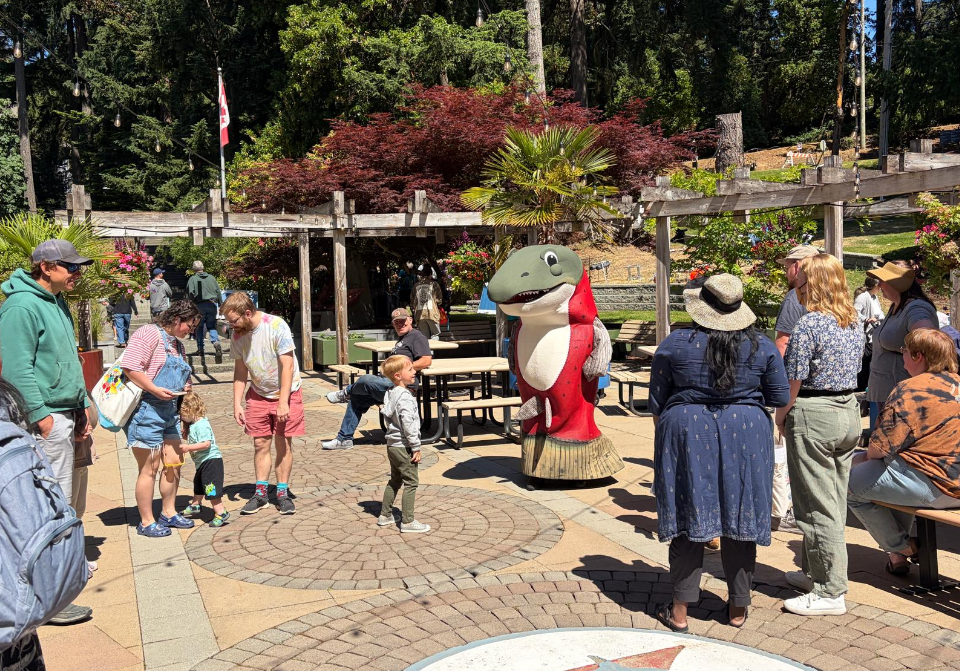
Large crowds were in attendance for the Saturday, May 30 open house at the Pacific Biological Station in Nanaimo.
Large crowds were in attendance for the Saturday, May 30 open house at the Pacific Biological Station in Nanaimo. (Image Credit: Ian Holmes/NanaimoNewsNOW)

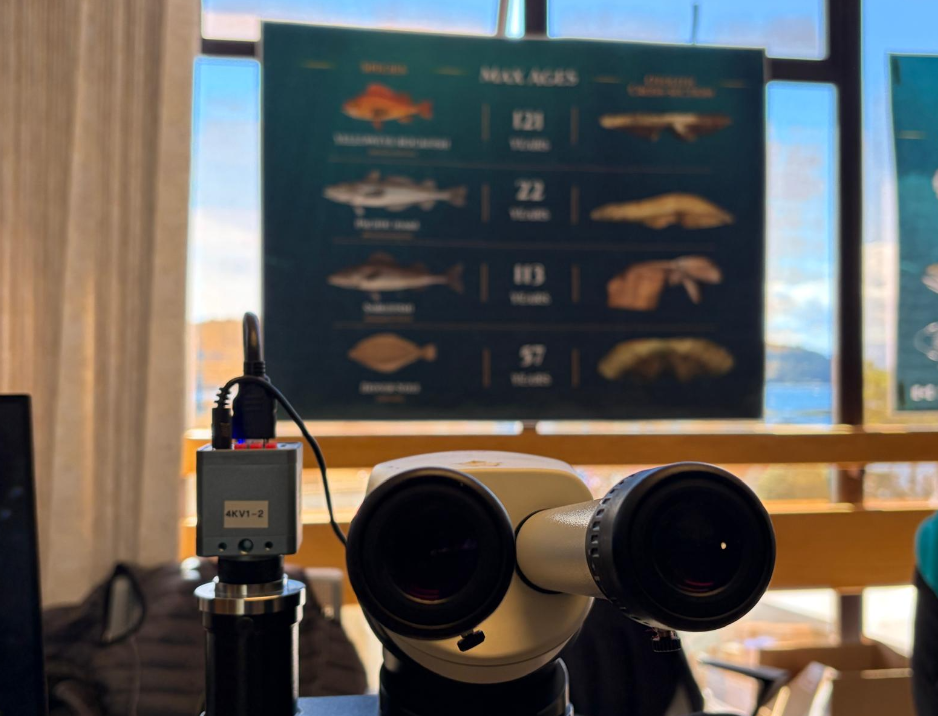
Science technician Michelle Mitchell said ear bones of a variety of deceased bottom-fish, as well as scales which can be retrieved from live salmon, are used to get a good indication of the age of a fish.

“205-years-old is the oldest rock fish we’ve had through the lab, for the Yellow-eyed rock fish our max age is 120, so we know that a lot of rock fish can get up over the one hundreds,” Mitchell told NanaimoNewsNOW during last weekend’s open house.

Burning broken ear bones and scales under an alcohol-induced flame reveals summer and winter growth bands, similar to rings on a tree, Mitchell explained.

Pinning down ages of numerous species of fish helps biologists determine stock assessments, as well as gain an understanding of how fish are doing in different locations on the coast.

Mitchell said their fish-aging findings supply their biologists with important indicators.

“Some rock fish don’t sexually reproduce until 15-years-old, so when they get the ages of the fish they’re able to know how many times did this fish reproduce, and they’re able to give an estimate of what the population is doing.”

People had the opportunity to view specimens at the PBS fish-aging lab.
People had the opportunity to view specimens at the PBS fish-aging lab. (Image Credit: Ian Holmes/NanaimoNewsNOW)
Mitchell said science-based fish age readers from several countries meet up every few years to ensure continuity is maintained in how data is collected and produced.

While some people may not immediately understand the relevance of fish-aging, Mitchell said it helps provide a more clear view of how fish of varying species and ages are doing in a variety of locations.

“It’s another way to know the biology of the fish, which is the ultimate goal is to find out: What are these fish doing? How do they live? it’s the fun part of my job.”

Fish-aging work at the PBS has been done since the 1970’s, part of a facility in operation since 1908.

Presently, about 240 staff members, including researchers, biologists and technicians work at the PBS.

Local news. Delivered. Free. Subscribe to our daily news wrap and get our top local stories delivered to your email inbox every evening.

info@nanaimonewsnow.com

Follow us on: Twitter (X) | Bluesky | Facebook