LOCAL NEWS, DELIVERED DAILY. Subscribe to our daily news wrap and get the top stories sent straight to your inbox every evening.
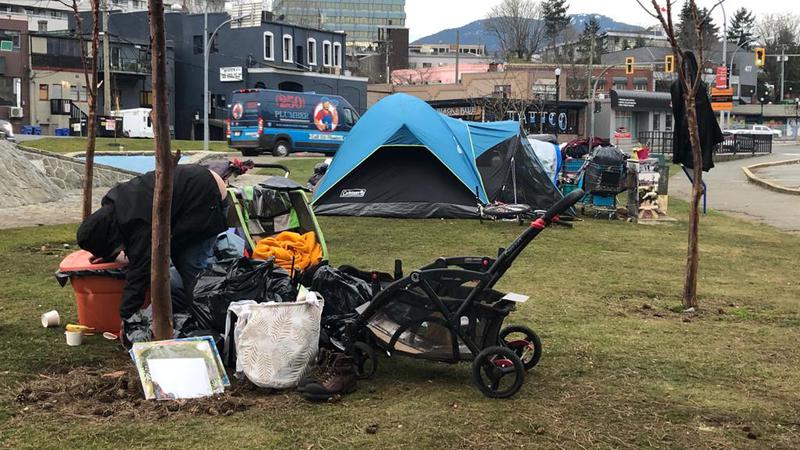
Roughly $264 million over three years is being committed to tackle homelessness by the provincial government. (File Photo/NanaimoNewsNOW)
MORE SUPPORTS

Provincial government commits more funding to address homelessness

Mar 17, 2022 | 1:18 PM

VICTORIA — The B.C. Government is committing to more investments to expand services, supports and access to care to address homelessness in the province.

Thursday’s announcement comes the day after a report on a series of 25 point in time homeless counts in 16 communities in 2020 and 2021 was released. The report found that there were 8,665 people experiencing homelessness in the selected communities.

David Eby, Attorney General and Minister Responsible for Housing, said in order to address the growing number of homeless people, the province has committed $633-million in its 2022 budget to expand services and assist people experiencing or at risk of homelessness.

“This includes $264-million over three years to ensure the approximately 3,000 people who came indoors during the pandemic into temporary housing will have permanent and stable housing. This will assist us in acquiring and operating that permanent housing for that population,” said Eby, adding that it will also allow for the leases at the sites to be extended.

“Also in the budget, we have a new supportive rent-supplement program. This is a $600 per month supplement for families and individuals which also gives them access to integrated health and social supports, health care, food services, and employment training. This will assist up to 3,000 households over the next three years.”

Also included in the budget:

  • An investment of $35 million over three years for new and increased supports for young people in government care until the age of 27, including a new financial supplement, a no-limit earnings exemption, help with cost of housing, improved access to transition workers, enhanced life skills and mental health programs, and better medical benefits;
  • A $164-million investment over three years to expand the complex-care housing program, allowing B.C.’s most vulnerable people with complex health, mental health and substance-use challenges that need a level of support beyond what is provided at supportive housing.

“Complex-care housing is a groundbreaking approach to address the needs of people who have overlapping mental-health challenges, substance-use issues, trauma and acquired brain injuries, who are often left homeless or risking eviction,” said Sheila Malcolmson, Minister of Mental Health and Addictions.

“People who access complex-care housing get supports where they live, including services from nurses, peer workers, social workers, and other health professionals.”

The sites of the new complex-care housing will be released at a later date.

Nicholas Simons, Minister of Social Development and Poverty Reduction, stated that his ministry is taking three specific actions to address homelessness.

  • Partnering with non-profit organizations to provide tenant startup kits containing basic household essentials to help people moving from homelessness to stable housing;
  • Providing a minimum allowance of $75 for people on income or disability assistance and who are not receiving a shelter allowance to help with incidental expenses, starting in April;
  • More than doubling the number of community integration specialists who are tasked with helping people navigate the government’s services and programs from 73 to 190.

“People aren’t always aware of the programs and services that might be able to help them. This can be due to a lack of awareness or challenges with digital literacy, hesitation to engage with government, or other barriers. Community integration specialists help people become aware of, and link them to, government programs and services,” said Simons.

“Some people don’t always feel comfortable visiting government offices, so community integration specialists go to people where they are. They support people in temporary housing, shelters, and sleeping rough by connecting them to services, and they also help connect them to specialty navigators, such as those in the health-care system, in mental health and addictions, and help them secure houses and other core services.”

Eby added that these initiatives will support the ongoing work to develop a provincial homeless strategy which will be released at a later date.