Voting in the City of Nanaimo? Click here to use our Know Your Vote tool for a custom ranking of Mayor and Council candidates based on how much you agree, or disagree, with them on key issues.
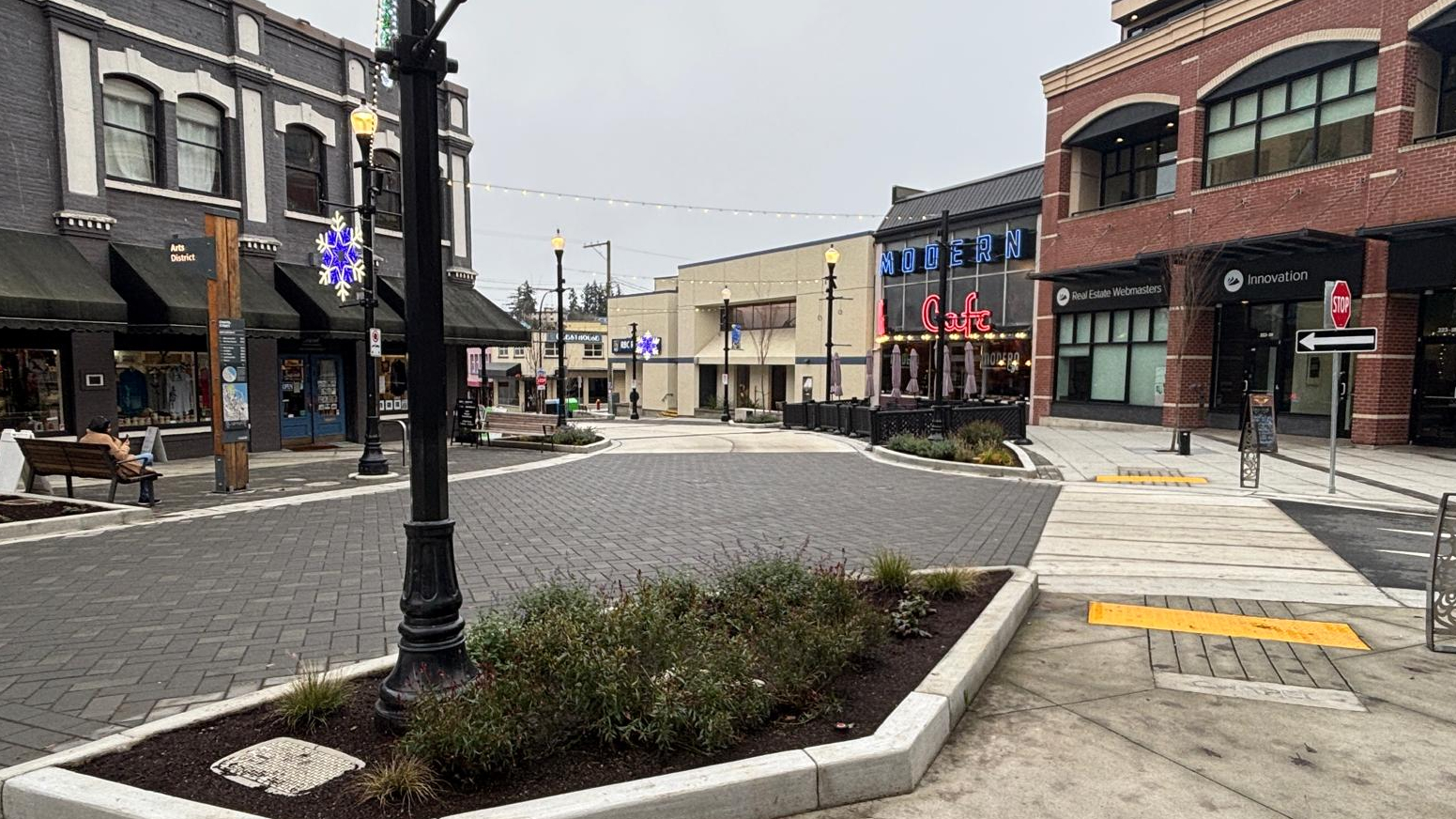
Recent upgrades to downtown Nanaimo have been largely welcomed, and viewed as important steps by many candidates, however future pathways towards revitalization of the area are less clear among those running in the municipal election this month. (Image Credit: File photo/NanaimoNewsNOW)
2026 municipal election

Know Your Vote: Nanaimo’s downtown challenges and future revitalization

Oct 6, 2026 | 9:48 AM

This article is part of a multi-story series looking further into the responses to NanaimoNewsNOW’s Know Your Vote survey, our interactive voter information tool for the 2026 Municipal Election in the City of Nanaimo.

NANAIMO — Almost unanimously, candidates running for Mayor and Council in this month’s municipal election believe a functioning downtown is essential, however differences of opinion emerge on how to achieve the goal, and work done to date.

Of the 36 responses we received, 97 per cent of candidates either agreed or strongly agreed to our statement of “A healthy, functioning, attractive downtown core is essential to Nanaimo’s success as a mid-to-large-sized city.”

Multiple candidates pointed to an ideal downtown being a place both visitors and residents can frequent and be proud of.
Editor’s note: Candidate responses included in this article are taken directly from their Know Your Vote survey submissions. Not all candidates will appear in each story, however NanaimoNewsNOW will endeavour to provide fair and equal representation of candidates across this series.

“Without question, the downtown core is an essential part of the city of Nanaimo and I am proud of the investments the City has made in improving the downtown (Commercial Street specifically) as far as walkability and flexibility for public events like the Commercial Street Night Market,” incumbent Hilary Eastmure stated. “I spend a lot of time downtown and I love the diverse local businesses and proximity to the waterfront. I have recently talked to a lot of tourists who are impressed by our downtown and see it for the gem that it is.”

“Downtown is the one place in this city where everything meets,” Richard Harlow added. “The bus exchange, the ferry, the library, the market, the harbour. It is where a visitor decides what Nanaimo is, and where a person with a cane finds out whether the sidewalk is level. The rebuilt Commercial Street, tree roots gone and bollards down, is what the rest of the city should get, and I would know, because I get there the way tens of thousands of us do, on the bus. Every other neighbourhood gets stronger when the heart works.”

“A strong downtown is the heart of a thriving city,” Angela Hope Waldick said. “It should be a place where people want to shop, work, gather, and spend time, while supporting local businesses, arts, culture, tourism, and community events. I want a downtown that’s welcoming, safe, and connected to the rest of Nanaimo.”

“A healthy downtown is essential to a successful city,” incumbent Erin Hemmens stated. “Downtown is where civic life, culture, commerce, housing, restaurants, entertainment, and public spaces come together, and it is one of the places visitors experience Nanaimo. We have seen significant public and private investments there, which I’m excited about.”

Despite near-unanimous support for a prosperous downtown core, candidates were relatively evenly split on recent work done to improve conditions and plans for the immediate future.

When asked to respond to the statement, “The City of Nanaimo is progressing in a reasonable manner to address challenges in the downtown, and will correct them over time,” 25 per cent agreed, 36 per cent disagreed, and 39 per cent remained neutral.

“Downtown is moving in the right direction,” incumbent Ben Geselbracht said, agreeing with the statement. “New multi-family buildings are bringing residents, Terminal and Commercial Street upgrades are complete, the Marriott is built, convention centre activity is growing, the night market draws record crowds, and businesses report a good 2026. Homelessness and addiction-driven disorder remain real challenges, but Clean Teams and Community Safety Officers have reduced the impacts and helped downtown rebound after COVID.”

“The City has committed significant resources to downtown safety and cleanliness, including Community Safety Officers and Clean Teams,” Paul van Ryssel added, also in agreement. “However, I’m not prepared to assume the current approach will solve the problems simply with more time. We need to measure results and be willing to change course where necessary.”

Those in disagreement said money spent hasn’t yielded worthwhile results.

“The City of Nanaimo is investing a significant amount of taxpayer dollars and funding provided by higher levels of government in interventions rooted in enforcement and displacement that, based on decades of research and evidence, have been demonstrated to be ineffective in offering long-term solutions to the compounding issues that impact community safety and ongoing challenges,” Mayoral candidate Sarah Lovegrove said, while advocating for more preventative solutions supporting health and wellness.

“The City’s own monitoring still shows significant challenges around community safety and homelessness, and the downtown issues aren’t things that will resolve simply because existing initiatives continue,” Meg Fyfe Watkins stated in her disagreement to the statement. “We need to be willing to assess what’s actually working and what isn’t, and to make meaningful change it’s imperative to move beyond stigma to a plan that actually helps solve the problems rather than just moving them around.”

“While the City has taken steps to address downtown challenges, more proactive and effective action is needed,” Bryant Marshall said. “Issues such as homelessness, public safety, cleanliness, vacant properties, and economic activity require measurable progress rather than relying on problems to resolve over time.”

Others felt traction had been gained, but issues still persisted.

“The City and this current council have worked hard to address the challenges in the downtown core,” incumbent Paul Manly said. “We need senior levels of government to step up and assist with the challenges of mental health, addiction, and homelessness by providing homes and the services people need to improve their lives. We need to disperse social service provision and supportive housing throughout the community in more small-scale models to lessen the impacts on the community.”

“I do believe that if we continue in the right directions and include other groups that would be involved we could continue to make it be a better picture of our city,” Shane Crawley added.

“Progress is happening, but it’s too early to conclude the current approach will resolve the downtown’s major challenges,” Max MacKay said.

“The city is actively working to make crucial improvements in all areas of the downtown core,” Austin Seng said. “I have built a life around downtown and would love to continue the work and support on a larger scale.”

“They have a long way to go but have made good strides over the last few years,” Steven Johns stated.

Candidates were also somewhat split on our statement: “Substantial changes to traffic flow patterns in the downtown, such as restricting vehicles on Commercial St. or limiting traffic to one-way in some areas, are required for downtown to flourish.”

Among responses received, 19 per cent of candidates agreed, while 42 per cent disagreed and 39 per cent were neutral.

“Downtown should be welcoming and accessible to everyone; traffic changes should be driven by demonstrated benefits, not treated as a prerequisite for revitalization,” Patrick Gunville said in disagreement to the statement.

“Not required and they dont have to be mutually exclusive,” Rod Moreno added. We need a way to get deliveries to these businesses. We also see the successes of temporary closures like the Thursday night market. I think we can have a data driven hybrid approach, where its business in the day and party at night and weekends.”

“Such changes can be considered, but only after consultation with downtown merchants who would be directly affected,” incumbent Ian Thorpe said in strong disagreement to the statement. “I believe they still desire traffic and parking on Commercial Street for easy customer access. Options if requested are always worth considering but substantial changes are not required for our downtown to flourish.”

Those in agreement pointed to successful case studies in other municipalities.

“Pedestrian promenades can be attractive features in cities,” Paul Chapman said. “This would have to come with consultation with neighbourhood associations and local businesses to ensure their needs are met.”

“Our downtown is small enough that it could be made walkable if proper parking and transit infrastructure is available,” Malcolm Cooke added.

“I will prioritize Nanaimo residents’ safety from traffic when participating in downtown events, such as the Commercial Street night market and other community activities,” Cameron Leckenby said in strong agreement. “I will work to ensure that Nanaimo’s downtown flourishes as our community grows.”

Neutral parties largely stated they weren’t certain it would make a sizeable difference, or they would be open to ideas, and their decision would be based on feedback from experts and research.

Find your candidate match. Take our new Know Your Vote survey and find which candidates agree most with you on key issues in the City of Nanaimo.

info@nanaimonewsnow.com

Follow us on: Twitter (X) | Bluesky | Facebook