LOCAL NEWS, DELIVERED DAILY. Subscribe to our daily news wrap and get the top stories sent straight to your inbox every evening.
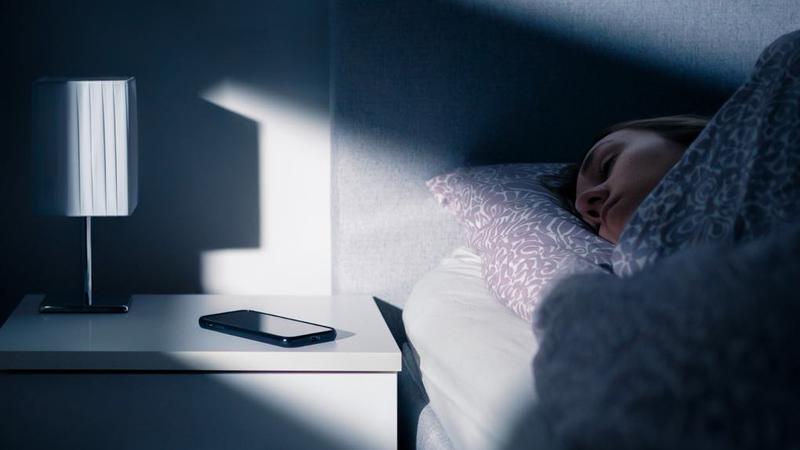
A Canadian sleep expert wants Standard Time (in place from November until early March) implemented permanently. (Dreamstime)
Time change

Sleep expert blasts Daylight Saving Time

Mar 7, 2025 | 5:39 PM

NANAIMO — Some people aren’t too bothered by seasonal time changes, but others can be significantly impacted, argues a leading sleep specialist.

Dr. Michael Mak, clinical vice president of the Canadian Sleep Society (CSS) said skipping clocks ahead by one-hour before going to sleep on Saturday, March 8 will directly corelate to negative outcomes for certain people.

The time change specifically occurs at 2 a.m. on Sunday, March 9, when clocks will skip ahead to 3 a.m.

“That loss of hour of sleep is actually not a very good thing at all for our health and safety.” the assistant professor of psychiatry at the University of Toronto told NanaimoNewsNOW.


Specifically, Dr. Mak said the annual “spring forward” shift away from Standard Time leads to more crashes as bleary-eyed motorists adjust, as well as increased cardiovascular and stroke hospital admissions.

“It means that we get more sunlight exposure first thing upon waking, which is good for mood and good for sleep, it stabilizes our internal body clock – it’s better for safety, it’s better to always wake up and commute when its light out instead of darker.”

Standard Time is conducive to more ideal evening sleep habits as the sky darkens earlier, Dr. Mak noted.

About a quarter of Canadians report having nighttime sleeping issues, while around 80 per cent of Canadians with mental health challenges like anxiety and depression report having unhealthy sleep patterns, Dr. Mack said.

Dr. Mak said the CSS has a clear position statement: stay with Standard Time (November to March) year-round.

“It’s counter-productive all the way around,” he said regarding DST.

Dr. Mak said ways to mitigate negative effects of the DST shift include bumping up your evening sleep routine incrementally in the days leading up to the change.

Widely adopted internationally during the Second World War to conserve energy, DST is also designed to maximize daylight hours for economic and leisure purposes, which most people in the province evidently support.

While the B.C. government agrees doing away with changing our clocks twice annually is the right move, it differs from Dr. Mack and the Canadian Sleep Society on its approach, prioritizing economic factors and the public’s will.

The province introduced legislation in 2019 to have DST remain in place year-round, however the change is contingent on the west coast states of Washington, Oregon and California following suit, which hasn’t happened.

Sticking with DST permanently received overwhelming support during public engagement in B.C. prior to the government’s formal position.

Subscribe to our daily news wrap. Local news delivered to your email inbox every evening. Stay up to date on everything Nanaimo and Oceanside.

info@nanaimonewsnow.com

Follow us on: Twitter (X) | Bluesky | Facebook