LOCAL NEWS, DELIVERED DAILY. Subscribe to our daily news wrap and get the top stories sent straight to your inbox every evening.
A pair of tourists were handed expensive fines for egregiously flouting federal Fisheries Act violations during a June 2024 shellfish harvesting expedition in Nanoose Bay. (Image Credit: File photo/NanaimoNewsNOW)
Shell shocked

Nanoose Bay clam harvesters dig huge fines

Feb 24, 2026 | 9:04 AM

NANOOSE BAY — Blatantly illegal shellfish digging at a popular area beach resulted in combined fines of $10,500 against a pair of tourists.

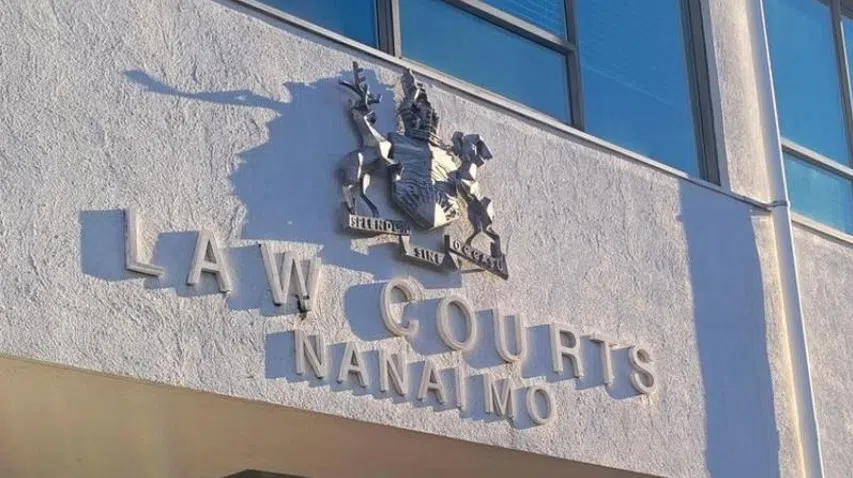
The couple, Chao Jan Yu and Li Hua Chen, were sentenced in late January at Nanaimo Law Courts in response to their conduct on June 7, 2024 after pleading guilty to a combined five federal Fisheries Act violations.

Yu had over 500 Manilla clams in a pair of large buckets as he walked up up a steep trail from the beach toward the shoulder of Hwy. 19. Lead fishery officer Shaun Tadei was one of two officers on scene.

“At this point he (Yu) looked very shocked, he turned around like he wanted to run and proceeded to half-fall, half sort of slide and run down the trail back towards the beach and in doing so actively dumping out the clams along the trail down to the beach.”

Yu sustained a minor injury.

He was fined $6,500, including $2,500 for obstructing a fishery officer, $2,000 for harvesting a prohibited species and $2,000 for retaining more than the limit of 60.

His unlicensed partner Chen, was hit with a $4,000 fine, made up of a $2,000 penalty for harvesting a prohibited species and $2,000 for possessing illegally caught fish).

The couple has five years to pay the fines, while they were placed under two-year fishing bans, which applies to all species of fish.

Tadei said the daily limit for Manila clams is 60, which was reduced several years ago from 75.

“Normally we’d just issue a ticket if you’re slightly over the limit, but considering there was only one of them that was licensed — he had over 500 clams in his possession. We’re talking over 10 times what his legal limit was.”

On top of the over 500 Manila clams, Tadei noted the pair also had dozens of other types of illegally collected bivalve clams, including Horse clams, which were off limits due to a Red Tide prohibition (Paralytic Shellfish Poisoning).

Tadei said Red Tide poisoning can lead to minor irritations such as tingling in the lips and fingers, to potentially serious health complications, such as respiratory challenges, and potentially cardiac arrest.

Stating most shellfish harvesters follow the rules, Tadei said there are cases where diggers get caught up in the thrill of productive harvesting and accidentally surpass the limit.

In this case, he said the amount of bucketed clams combined with the evasive actions of the couple could not be ignored.

“I feel like they had a bit of a guilty conscious, more so than your average recreational harvester that is more-less ignorant to the rules.”

While stating education is strongly relied upon by fishery officers, Tadei said some offenders “need a higher level of enforcement” beyond widely used on-site verbal warnings.

Tadei said elevated infractions can lead to a violation ticket to pay at court have the issue quickly resolved, while more severe penalties of charges and future court appearances are also occasionally pursued.

Yu and Chen had intended for their case to proceed to trial, however opted to plead guilty during the opening of their provincial court trial on Jan. 22.

In addition to Nanoose Bay, Tadei said there are a few other regional locations which can be “hot spots” for illegal shellfish harvesting, including Brickyard Beach on the west side of Gabriola Island.

Beaches in the Baynes Sound area north of Qualicum Beach also lead to complaints and sporadic harvesting violations, he noted.

Tadei said the shoreline between Nanaimo and the Comox Valley are highly popular destinations for recreational shellfish harvesters, pointing out people often travel far distances to benefit from the fishery.

He said there is no such shellfish fishery in the Lower Mainland due to marine contamination, which attracts many harvesters, especially during the summer season.

“We’ve got a lot cleaner water on the Nanaimo side, even southern Vancouver Island around Victoria and Cowichan Bay is all closed.” Tadei said. “All of the people that would like to harvest shellfish they’ve got to first come to Nanaimo or more north before they can harvest.”

A license is required to legally participate in the recreational shellfish fishery in the province.

The Nanoose Bay Recreational Shellfish Reserve is a highly productive harvesting location comprised of 23 hectares, which can draw hundreds of harvesters during a summer day at low tide.

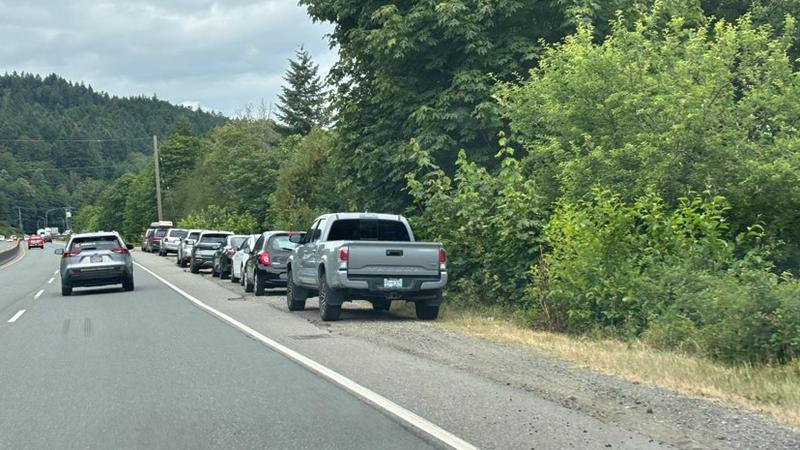
While the B.C. government advises shellfish harvesters to park at the head off Nanoose Bay accessed off Arlington Rd. and then walk 1.5 kilometers to the Nanoose Bay, most diggers park on the shoulder of Hwy. 19.

Well over 80 vehicles parked alongside Hwy. 19 in Nanoose Bay to access popular recreational shellfish grounds is commonplace during the summer at low tide.
Well over 80 vehicles parked alongside Hwy. 19 in Nanoose Bay to access popular recreational shellfish grounds is commonplace during the summer at low tide. (Image Credit: Submitted photo)

Last summer, the Ministry of Transportation and Transit stated it was considering preventing parking on the water side of Hwy. 19 to deal with hazardous road-side vehicle parking.

A real-time shellfish harvesting map for Canada’s Pacific and Atlantic regions is linked here, which shows openings and closings.

Local news. Delivered. Free. Subscribe to our daily news wrap and get our top local stories delivered to your email inbox every evening.

info@nanaimonewsnow.com

Follow us on: Twitter (X) | Bluesky | Facebook