LOCAL NEWS, DELIVERED DAILY. Subscribe to our daily news wrap and get the top stories sent straight to your inbox every evening.

Alberta challenge to federal project review law being heard in court, again

Feb 24, 2026 | 10:33 AM

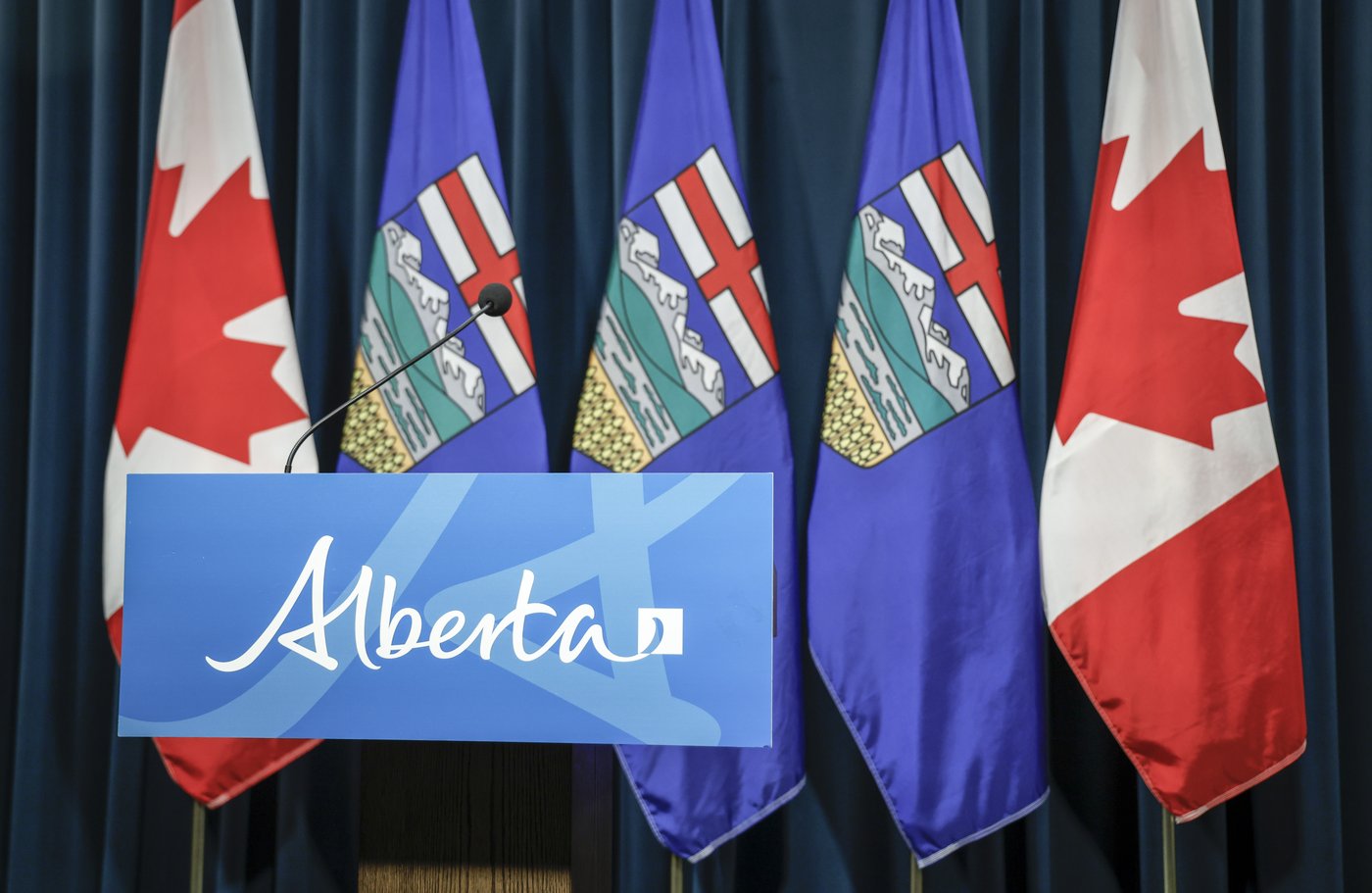
CALGARY — Alberta is taking another run at having a court strike down federal project review legislation.

The Alberta Court of Appeal started hearing the province’s second challenge to Ottawa’s Impact Assessment Act in Calgary on Tuesday.

The act sets out a process to review the environmental, economic, health and social effects of proposed projects like ports, mines or pipelines. It been staunchly opposed by oil and gas industry players and former Alberta premier Jason Kenney and other critics have mocked it as the “no more pipelines act.”

It came into force in 2019 and Alberta challenged it in court, saying it encroached on its jurisdiction.


The case made its way up to the Supreme Court of Canada, which found much of the act reached beyond Ottawa’s constitutional powers. The federal government amended the act to address those issues, but Alberta contends it remains unconstitutional.

“Alberta’s position is that the amendments have not meaningfully changed what the Impact Assessment Act is really about,” Bruce Mellett, a lawyer representing the province, told court Tuesday.

“Its dominant characteristic, what it does, has not changed.”

Environmental law charity Ecojustice is set to appear as an intervener to defend the legislation.

Ecojustice climate director Charlie Hatt said in a news release that the Impact Assessment Act is being used as a “straw man” by the fossil fuel industry and conservative premiers.

“The Impact Assessment Act is not a barrier to nation-building projects. Rather, it enables sound decision-making,” Hatt said in a news release.

“The fact that a decision under the IAA may be politically inconvenient or require stricter conditions on how public lands and resources are developed does not make the law unconstitutional — it proves it is working.”

The Canadian Constitution Foundation is slated to present arguments in support of Alberta’s position.

“The Constitution assigns responsibility for local works and natural resources to the provinces, and the Supreme Court has confirmed that Parliament cannot use broadly framed federal powers to control projects that are primarily provincial in nature,” said litigation director Josh Dehaas.

“Federal control over those matters blurs lines of accountability and makes it harder for voters to hold the proper level of government responsible for its decisions.”

The court challenge comes amid a push to build new infrastructure enabling greater exports of energy and other products beyond the United States, whose tariff policies have roiled the cross-border trading relationship over the past year.

Separate federal legislation enacted last year created a process to speed along projects deemed in Canada’s national interest through a new Calgary-based major projects office.

Ottawa and Alberta are battling in court over the Impact Assessment Act as they look to collaborate on a number of other energy-related matters.

Late last year, Prime Minister Mark Carney and Premier Danielle Smith signed a sweeping energy accord that includes support for a new West Coast bitumen pipeline, the massive Pathways carbon capture project and a host of other items.

This report by The Canadian Press was first published Feb. 24, 2026.

Lauren Krugel, The Canadian Press