
LOCAL NEWS, DELIVERED DAILY. Subscribe to our daily news wrap and get the top stories sent straight to your inbox every evening.
Healthcare, industry and economic experts spoke at a panel event on Thursday, Nov. 13 in Nanaimo on the state of healthcare and the impacts it is having on local economy. (Alex Rawnsley/NanaimoNewsNOW)
healthcare concerns

‘More complicated, more difficult:’ advocates say Nanaimo healthcare deficits hindering economic growth

Nov 14, 2025 | 5:27 AM

NANAIMO — A lack of healthcare options on central Vancouver Island is not just hurting our health, it’s actively harming the economy.

The position was one of the key takeaways from the Health Forward Summit, hosted by the Nanaimo Regional Hospital District on Thursday, Nov. 13, with a focus on finding new ways to address a lack of investment in primary care on central Vancouver Island.

Donna Hais, chair of the Nanaimo Port Authority board of directors, told NanaimoNewsNOW after participating in a panel focused on links between healthcare and economic development, a lack of healthcare options is actively hampering the Port’s growth.

“We need good, high paying jobs, which means we need to create infrastructure to support those. You cannot draw new people to work in an area, when they know their families will not have access to that care, it just makes that conversation more complicated, more difficult,” Hais said at the event held at Nanaimo’s Vancouver Island Conference Centre.

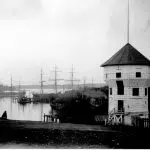
She cited conversations over recent years with DP World, one of the largest maritime cargo operators in the world, who are expanding its deep sea dock at Duke Point.

She said the company wants to work with Nanaimo to grow port capacity from around 280,000 containers to 1.8 million per year.

Such a move would lead to a massive increase in the number of high-paying jobs available to those living in the Nanaimo and central Island area, according to Hais.

“When I told him that I cannot provide access to a catheterization lab if one of his workers has a heart attack, the response was a cooling of the conversation. You don’t have the infrastructure here to bring the investment to the community that Vancouver Island and, quite frankly, Canada is looking for.”

Hais said it was a topic of conversation during the early days of Hullo Ferries’ inception in Nanaimo, with investors concerned about attracting workers to the region without the necessary healthcare services for them and their families.

The state of the current system is becoming more well known, due to increased lobbying efforts in recent years.

Growing calls for a new patient tower at NRGH, along with a cath lab for cardiac care, have persisted.

Both were election promises from Premier David Eby’s government, but neither have publicly moved forward in the following 12 months.

An overcrowded and aging Nanaimo Regional General Hospital (NRGH) is putting pressures on staff at the facility, as well as primary care providers elsewhere in the region.

Damian Lange, executive director of clinical service delivery at NRGH, said during the panel session the hospital is woefully inadequate for the area’s population.

“We’ve got a 354 bed facility and we routinely service over 400 inpatients, [Thursday] the number is 418, so there’s 418 patients trying to fit into 354 beds. How do we do that? We don’t. It results in hallway care, waiting in emergency a lot longer to get up to the tower, suboptimal care spaces being utilized.”

Lange said hundreds of millions of dollars have been spent over the last 10 to 15 years on “keeping the lights on” at NRGH and smaller facilities in Oceanside.

But, billions will be required to fully address the problem.

“Projections are for a 500-600 bed hospital, which Nanaimo Regional needs. We’re probably talking about $2 billion, so the takeaway for today is knowing that we’ve spent hundreds of millions of dollars keeping the lights on and expanding services over the last decade, we’re talking multiple billions of dollars to bring cutting edge, world class care here to the region.”

Lange said little steps made in recent years are having an effect.

He told the crowd of local and provincial politicians, industry stakeholders, business leaders and other invited guests the Oceanside Health centre used to see around 150 patients per day, now they’re registering approximately 120.

NRGH has seen a small drop in traffic too, from roughly 200 ER patients a day to between 185 and 190.

He credited a new Urgent and Primary Care Centre, opened earlier this year behind Nanaimo’s Country Club Centre, as one of a few reasons why people are diverting away from hospital emergency rooms.

Lange added the number of people looking for a family doctor is also dropping, from around 30 per cent of the population in 2019 to approximately 17 per cent in 2025.

Subscribe to our daily news wrap. Local news delivered to your email inbox every evening. Stay up to date on everything Nanaimo and Oceanside.

info@nanaimonewsnow.com

Follow us on: Twitter (X) | Bluesky | Facebook