LOCAL NEWS, DELIVERED DAILY. Subscribe to our daily news wrap and get the top stories sent straight to your inbox every evening.
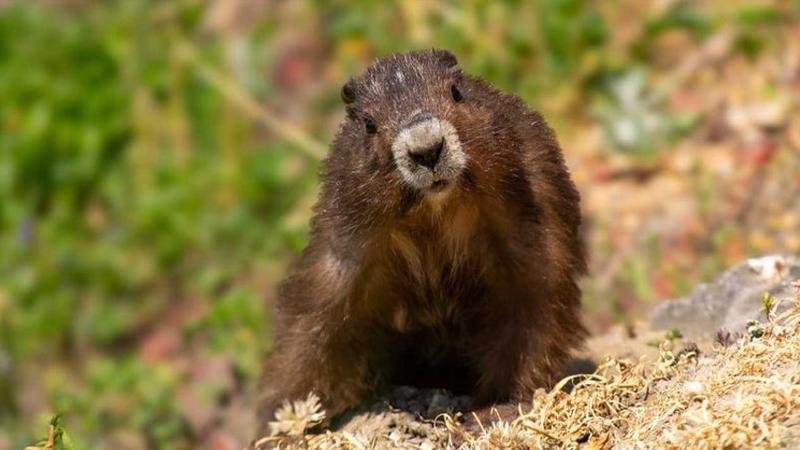
Ongoing research hopes to find out if weight gain improves the prospects of survival for Vancouver Island marmots. (Adam Taylor/Vancouver Island Marmot Recovery Foundation) 
marmot research

Unique weigh scale aims to gain insight on Vancouver Island marmots

Feb 10, 2025 | 5:18 PM

NANAIMO — Researchers are getting creative to learn more about how weight impacts the health of the resurgent Vancouver Island marmot population.

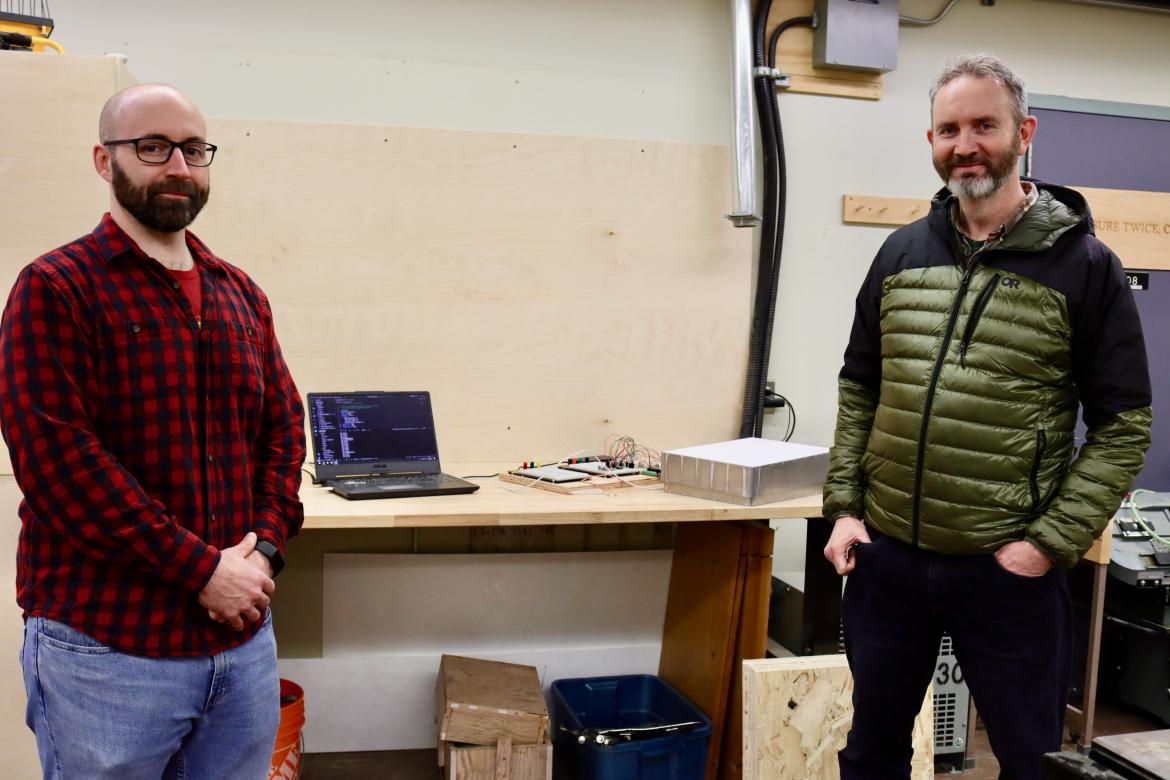
A pair of Vancouver Island University technicians have been working on weigh scale prototypes over the past two years with the hopes of advancing a potential link between the weight of marmots and their ability to reproduce.

Engineering technician Devin Ayotte said their prototype scale successfully recorded the weight of marmots for the first time last summer in the Nanaimo Lakes area, noting an important radio frequency device has since been implanted in their scale.

“It records the identity of the marmot, some of the marmots have a 12 millimetre PIT tag like you would have implanted in a family pit and that allows us to identify which marmot is on the scale whenever there’s a weight presence,” Ayotte told NanaimoNewsNOW.

Captive breeding and habitat restoration efforts led by the Vancouver Island Marmot Recovery Foundation have seen the rarely seen animals population jump to more than 300.

While still an endangered species, Vancouver Island Marmots were on the brink of extinction with only 22 counted in 2003.

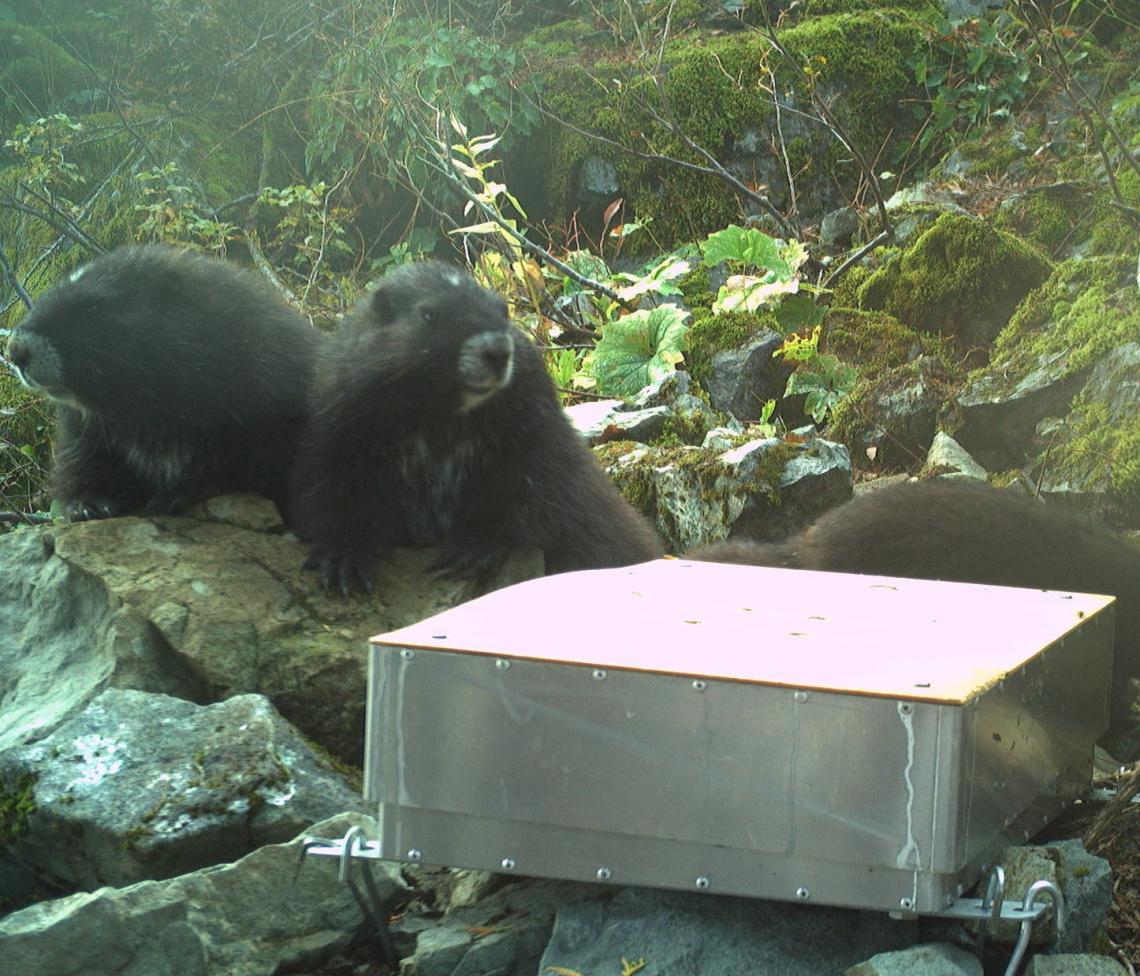
In conjunction with the singular aluminum and plastic scale placed near a marmot’s burrow, a feeding tube containing highly nutritious primate pellets is positioned nearby.

A pair of curious marmots near the remote weigh scale last year in the Nanaimo Lakes area. (VIU)

Ayotte’s colleague Michael Lester, whose been involved with the Vancouver Island Marmot Recovery Foundation for over a decade, said not much beyond anecdotal evidence is known about the benefits of human supplied food for marmots.

“Does the supplemental feeding actually have any effect on the weight gain of the marmot and then hopefully have an effect on body condition of the female, then how many pups the females have in subsequent years,” Lester said.

Lester, a technician in VIU’s faculty of science and technology, suspects it will take two to three years of additional data collecting in order to assemble definitive findings.

As for coaxing marmots onto the non-invasive scale, Lester said the animals have been taking care of that themselves.

As far as the marmots are concerned, Lester said the scale is a handy platform to watch out for predators.

“They like to go on the highest spot, so if you put this outside their burrow they will automatically want to climb on top of it.”

Vancouver Island marmots hibernate over the winter and are active feeding and breeding in the spring and summer months for about five months, Lester noted.

The herbivores live in several colonies, primarily in the Nanaimo Lakes to Mount Arrowsmith areas, as well as Strathcona Provincial Park.

Wilder Institute/Calgary Zoo is funding the Vancouver Island marmot weigh scale project.

Several other partners are involved, including VIU, Vancouver Island Marmot Recovery Foundation and Mosaic Forest Management.

Engineering technician Devin Ayotte (L) and resource management and protection technician Michael Lester (R) positioned near their remote weigh scale testing device. (VIU)

Subscribe to our daily news wrap. Local news delivered to your email inbox every evening. Stay up to date on everything Nanaimo and Oceanside.

info@nanaimonewsnow.com

Follow us on: Twitter (X) | Bluesky | Facebook