LOCAL NEWS, DELIVERED DAILY. Subscribe to our daily news wrap and get the top stories sent straight to your inbox every evening.
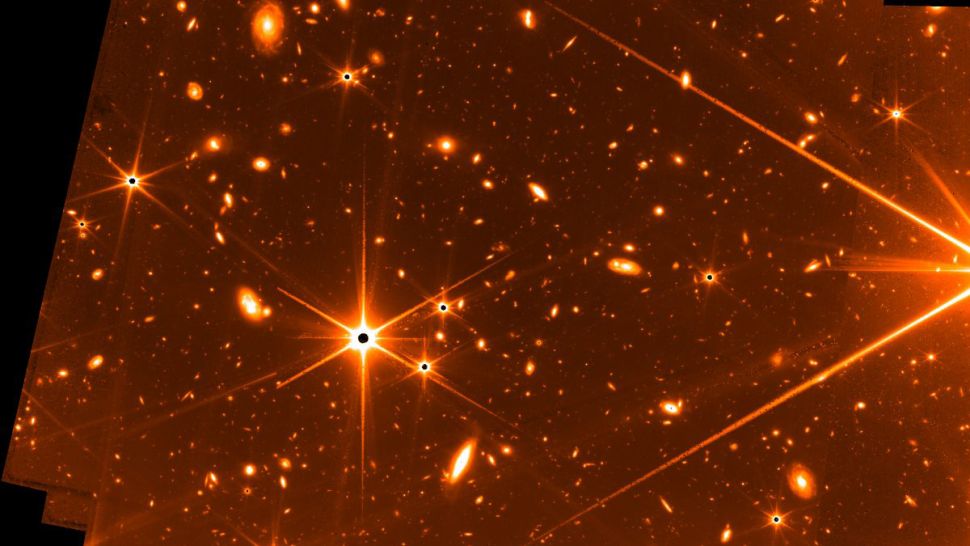
The first, fully calibrated image from the James Webb Space Telescope shows hundreds of galaxies in a finite area of the universe. (NASA, ESA, CSA, and STScI)
STELLAR STARS

‘Going to see astronomy revolutionized:’ release of first James Webb images a game-changer Nanaimo astronomer

Jul 12, 2022 | 5:33 AM

NANAIMO — It’s been decades in the making, but astronomers around the world are getting a glimpse of the universe like never before.

A full slate of images from the recently calibrated James Webb Space Telescope will be unveiled by NASA at 7:30 a.m. on Tuesday, July 12, kickstarting an expected 20-year mission duration of mapping and photographing the cosmos.

Dr. Gregory Arkos, astronomy professor at Vancouver Island University in Nanaimo, said it’s not like Christmas morning, which comes once a year, rather the culmination of years and years of work.

“For astronomers, anybody who is keen in exploring the universe, James Webb has been a long time coming and I think it’s hard to really communicate the excitement the community feels.”

James Webb was launched on Dec. 25, 2021 and orbits at around 1.5 million kilometres from Earth.

It has 18 mirror segments and is roughly six times the size of Hubble which operates much closer to the planet.

As such, James Webb is able to capture more light over a longer span which creates larger and more detailed images.

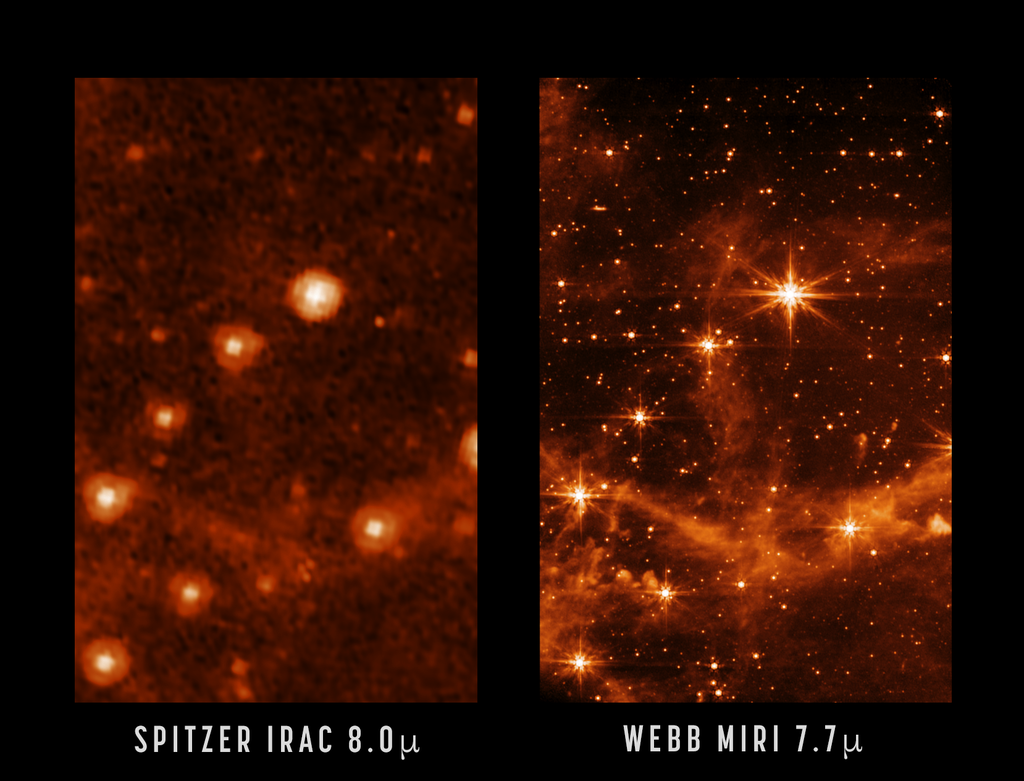
The May test image showing the difference between Webb and previous imagery of the same section of sky.(NASA/JPL-Caltech/NASA/ESA/CSA/STScI)

A test image, released in May, showed the astounding resolution increase compared to prior snapshots of deep space. Arkos said it’s the resolution which will change the way we look at space.

“If they [test images] are any indication of what this telescope will be able to do when it actually takes a long exposure image and is property processed, we are going to see astronomy revolutionized again the way Hubble changed astronomy.”

Another test image was released by NASA on Wednesday, July 6, representing a 32-hour exposure of the telescope’s cameras and marked the deepest field ever captured so far.

Images released on Tuesday are expected to surpass the newly-set record.

The final released test image from James Webb, a compilation of snapshots with shorter exposures. (NASA/JPL-Caltech/NASA/ESA/CSA/STScI)

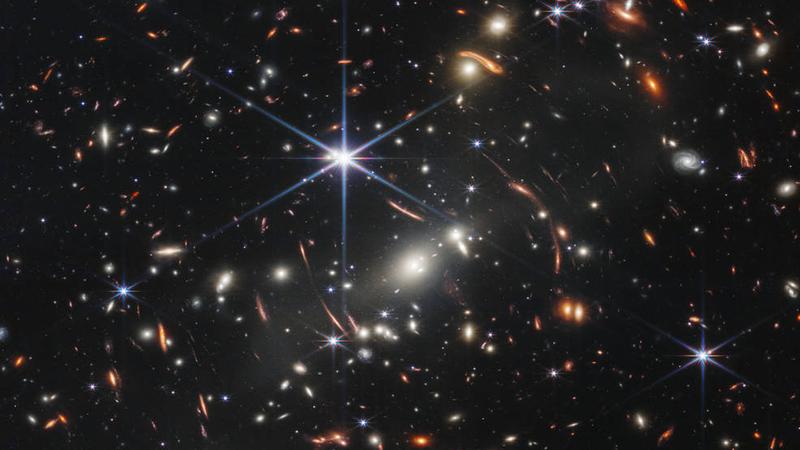
The first of the latest set of science images was previewed by U.S. President Joe Biden during an event on Monday, July 11.

Bill Nelson, NASA Administrator, told Biden and other dignitaries the image was a fraction of a fraction of a degree of the observable universe.

“If you held a grain of sand on the tip of your finger at arms length, that is the part of the universe that you’re seeing, just one little speck of the universe,” Nelson said.

He added some of the light captured by the telescope in the first image was over 13 billion years old.

“They’re going back about 13.5 billion years and since we know the universe is 13.8 billion years old, we’re going back almost to the beginning. That is the discovery we are making with this.”

Nelson added by analyzing data and imagery from the telescope, NASA scientists will be able to determine the chemical composition of the atmosphere of detected planets and determine whether or not they could support known life.

NASA will broadcast the release of images live on their YouTube channel Tuesday morning, with the images set to be posted online shortly after.

Join the conversation. Submit your letter to NanaimoNewsNOW and be included on The Water Cooler, our letters to the editor feature.

alex@nanaimonewsnow.com

On Twitter: @alexrawnsley